
A quality cycling jersey is not cheap, and a well-maintained cycling jersey can last three to four seasons of regular riding without losing its shape, elasticity, or print quality. Most riders damage their cycling jerseys not on the road but in the laundry. This guide covers exactly how to wash a cycling jersey, how to dry it correctly in Indian conditions, how to store it, and what common mistakes shorten the life of your cycling apparel.
Why Cycling Jerseys Need Special Care
A cycling jersey is not a regular sports t-shirt. The fabric is a performance-grade knit, usually a moisture-wicking polyester or polyester blend, with full sublimation printing across the surface. The elastic panels, powerband hem, and pocket structure are all built to maintain their shape under tension. Standard washing machine cycles, hot water, and fabric softeners all work against these properties.
This matters even more for Indian riders who train through summer and monsoon months, where jerseys accumulate more sweat salt, sunscreen residue, and pollution than riders in cooler climates. A cycling jersey that is washed incorrectly even a few times will start to lose its wicking ability and the sublimation print will begin to crack earlier than it should
How to Wash a Cycling Jersey Correctly
Turn the jersey inside out before washing. This protects the outer sublimation print during the wash cycle and ensures the inner moisture-wicking surface, the part that is actually in contact with your skin, gets the most direct cleaning.
Wash in cold water only. Hot water degrades the elastic fibres in the fabric and causes shrinkage in the body panels and sleeve cuffs. Cold water is equally effective for removing sweat and salt buildup from cycling jerseys when used with the right detergent.
Use a gentle sports-specific detergent or a mild liquid detergent. Avoid powder detergents, which leave residue in the weave of performance fabrics and block the moisture-wicking channels over time. Avoid fabric softener entirely. Fabric softener coats the fibres of a cycling jersey and kills its moisture-wicking ability permanently after a few applications.
Use a delicate or hand wash cycle on your washing machine. If hand washing, soak the jersey in cold water with detergent for 15 to 20 minutes and then rinse thoroughly. Do not wring or twist a cycling jersey to remove water as this distorts the elastic panels
How to Dry a Cycling Jersey in Indian Conditions
Never put a cycling jersey in a tumble dryer. The heat damages the elastic, shrinks the fabric, and causes sublimation prints to bubble and crack. This is the single most common cause of cycling jerseys deteriorating faster than they should.
Air drying is the correct method. In most Indian cities, a cycling jersey will dry fully in two to four hours in natural airflow. Hang it on a wide plastic hanger, not a wire one, to preserve the shoulder shape. Hang it away from direct peak afternoon sunlight. UV exposure during drying fades sublimation prints over time, even though the jersey is designed to withstand UV during riding. Brief morning sun is fine, extended direct sun drying is not.
During monsoon months in Kerala, Karnataka, and other high-humidity regions, a ceiling fan on medium speed in a ventilated room dries a cycling jersey just as effectively as outdoor drying, usually within three to four hours.
How to Store Your Cycling Jersey Between Rides
Store cycling jerseys flat or loosely folded in a drawer rather than compressed in a pile. If hanging, use wide hangers to maintain shoulder shape. Do not store damp jerseys even briefly, as moisture trapped in the fabric creates odour-causing bacteria that standard washing becomes less effective at removing over time.
If you are storing cycling jerseys at the end of a season, wash them before storage and keep them in a cool dry place away from direct sunlight.
How to Remove Stubborn Stains from a Cycling Jersey
Chain grease is the most common stain on a cycling jersey. Apply a small amount of dish soap directly to the stain before washing and let it sit for 10 minutes before putting the jersey in the wash. Do not scrub hard as this can distort the weave of the fabric.
Sunscreen stains, which appear as yellowish marks on the collar and forearm panels of full sleeve cycling jerseys, respond well to a 10-minute soak in a mixture of cold water and white vinegar before washing. Avoid bleach entirely on cycling jerseys as it destroys the sublimation print and weakens the elastic fibres.
When to Replace a Cycling Jersey
A well-cared-for cycling jersey should last 200 to 300 washes or three to four seasons of regular use before the elastic starts to lose tension and the moisture-wicking performance noticeably drops. Signs that a cycling jersey needs replacing are: the hem elastic is no longer snug, the jersey stretches without recovering its shape after riding, or the fabric feels rough against the skin during longer efforts.
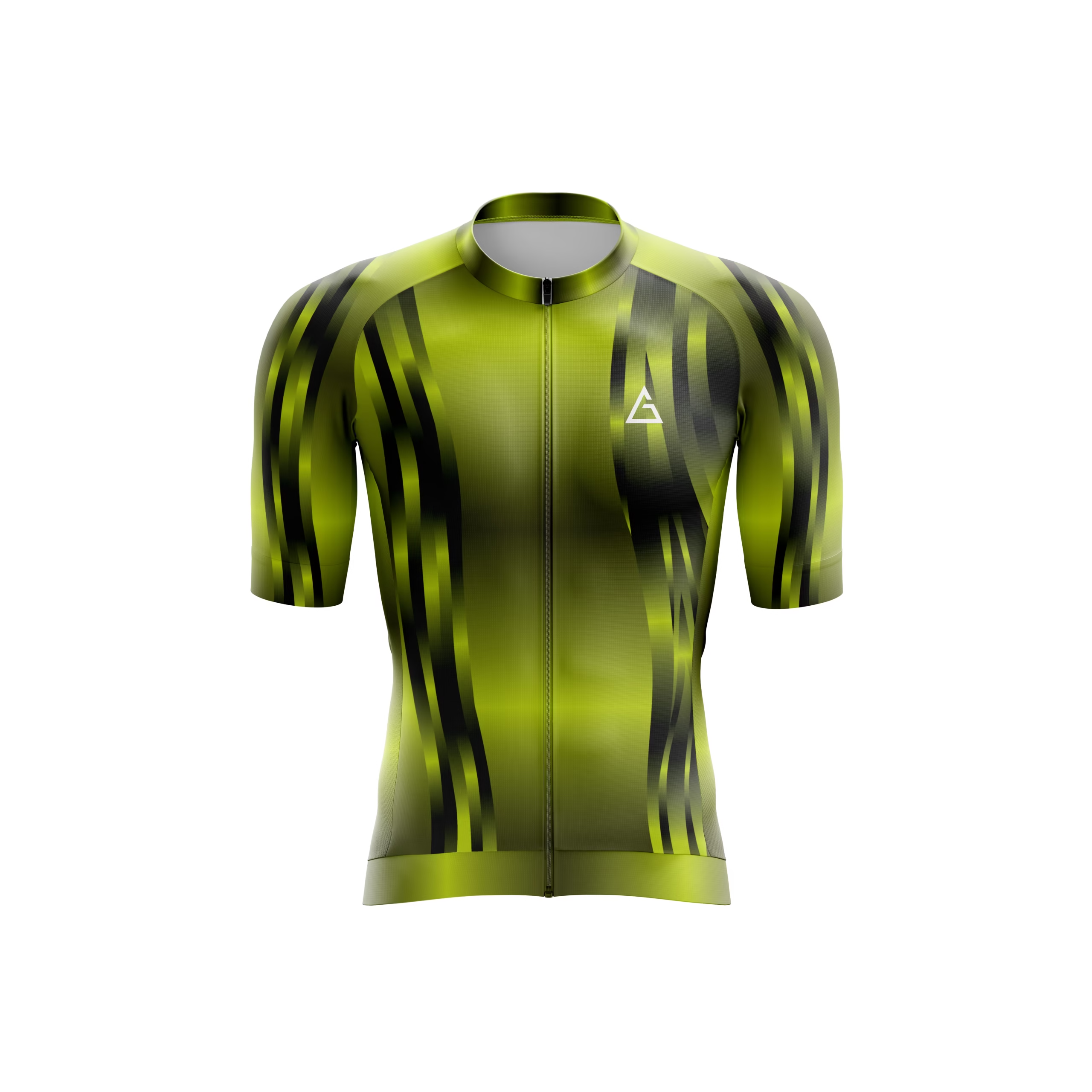
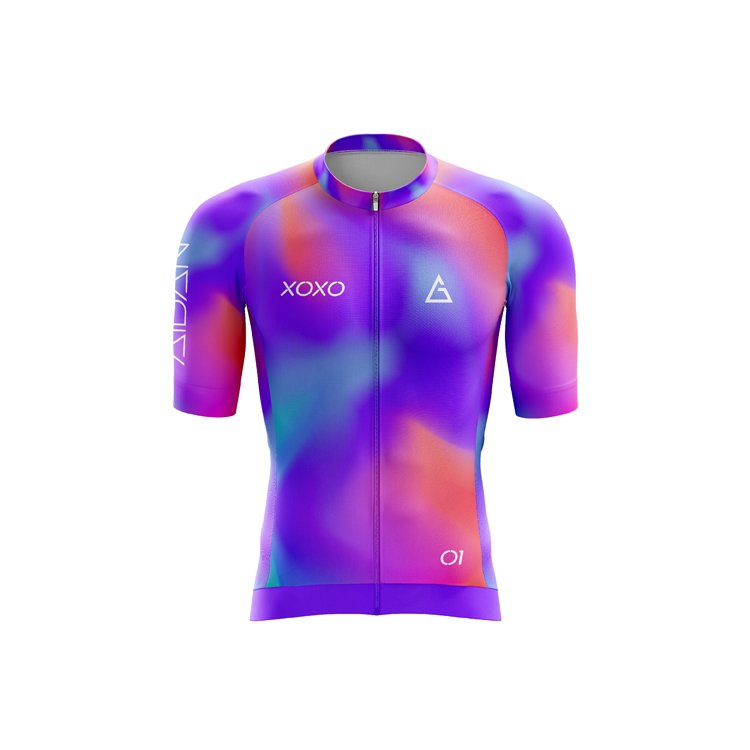
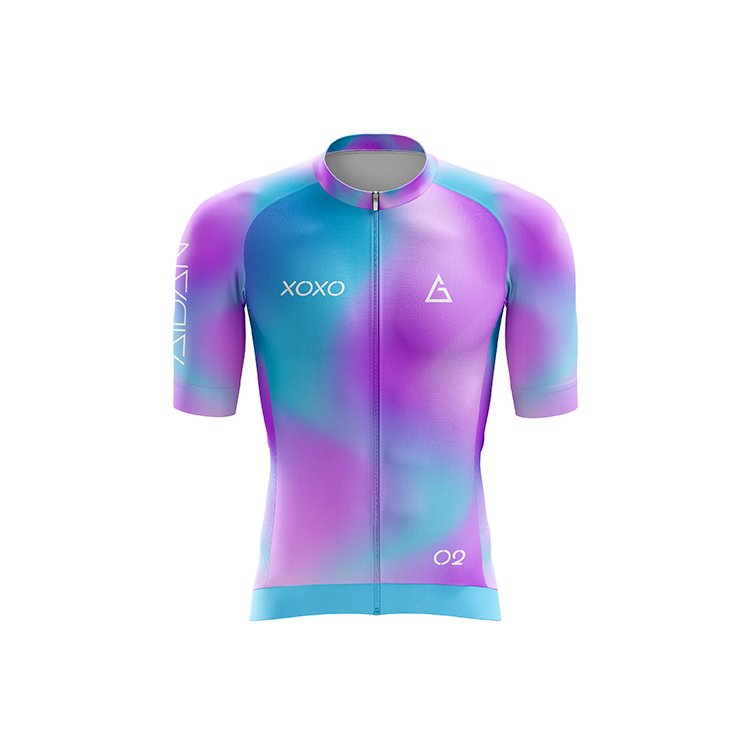
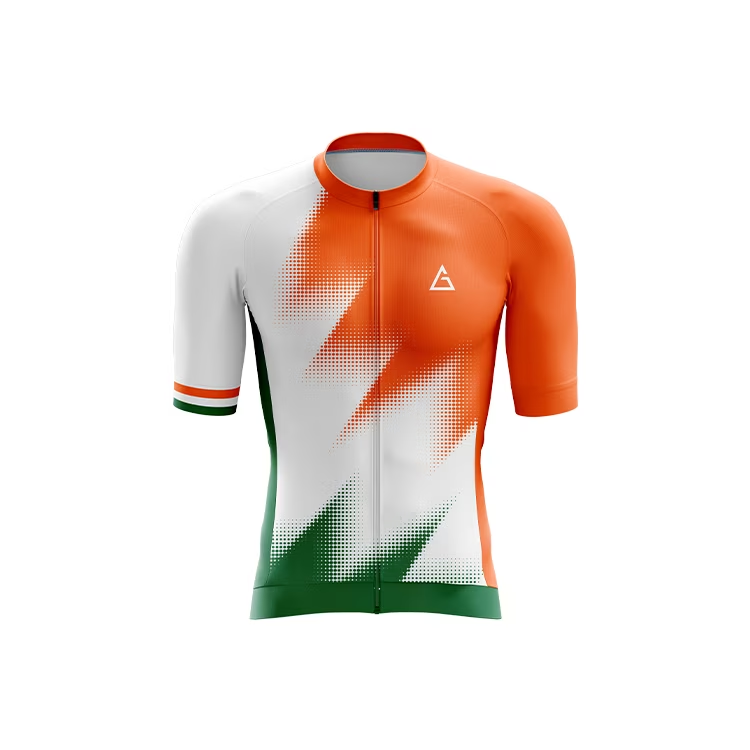
If you are ready to upgrade your cycling jersey or add to your kit rotation, browse the full range of race fit, club fit, air fit, full sleeve and half sleeve cycling jerseys for men at https://aidanglobal.com/category/men/cycling-jersey-for-men/ and the complete cycling jersey collection at https://aidanglobal.com/category/cycling-jerseys/
All jerseys use premium import fabric built for Indian climate conditions and are available with free customisation including name and number printing

Contact us on:
+918089746911/+918089746912. Or connect to WhatsApp
For team jerseys that are more than 5 pieces or any query, feel free to contact:- +918089746911/+918089746912. Or connect to WhatsApp.
And visit our custom design page:- Design your own
Visit our customer’s review page:- Gallery
And you can see more:- Best cycling jersey designs online – Aidan Global
For bulk production and team orders, explore our custom cycling jersey manufacturer in India services designed for professional cycling clubs, corporate teams, and event organizers.
